
Had a Bad Experience With a Previous Instructor? Here's How to Start Again
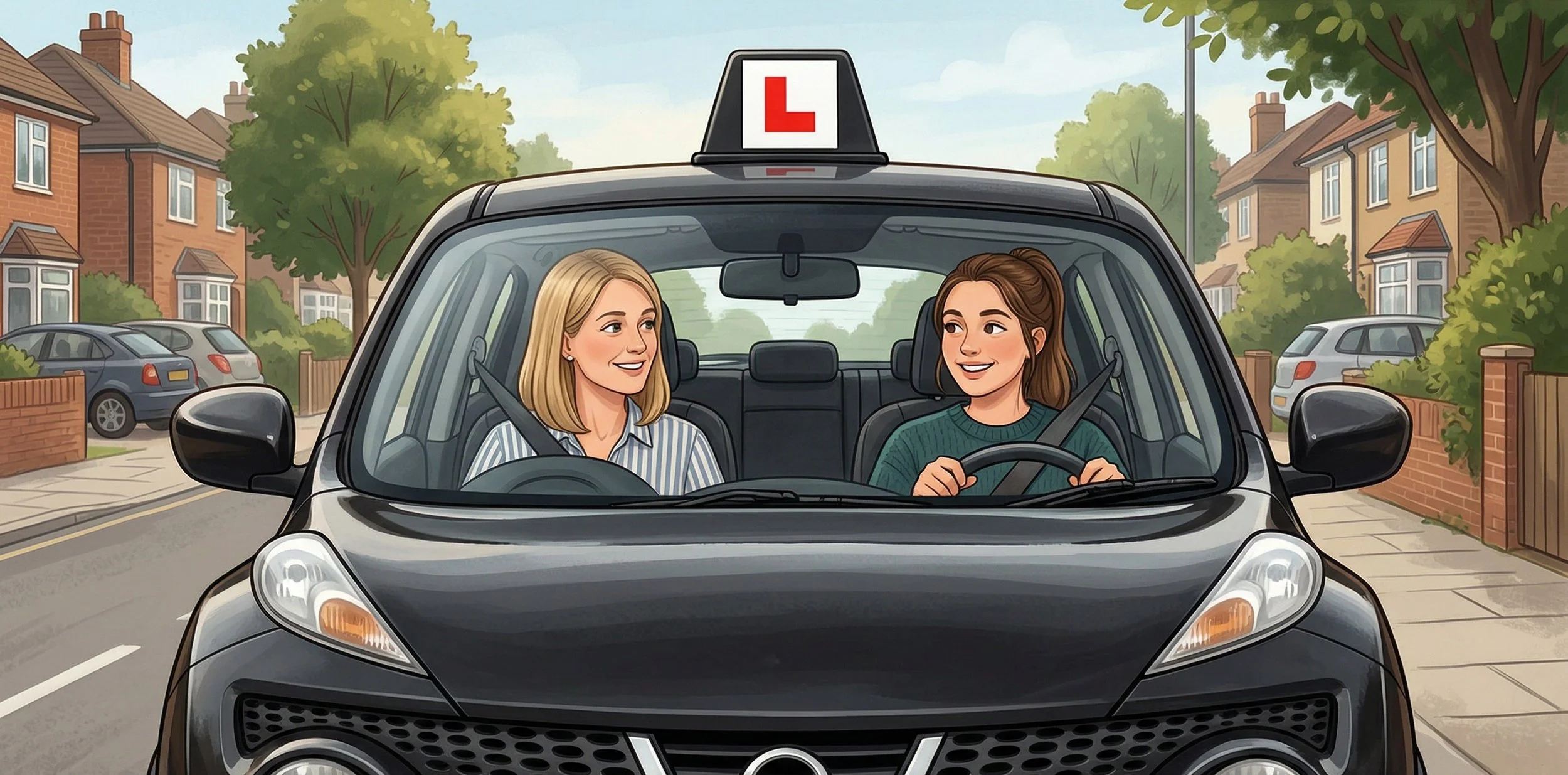
If you've clicked on this post, there's a good chance driving hasn't gone quite the way you hoped so far. Maybe you had an instructor who made you feel rushed, judged, or just not quite comfortable. Maybe you've had a few lessons and convinced yourself that you're simply "not a driving person." Maybe the very thought of getting behind the wheel makes your stomach turn and you're not even sure why.
First of all, I hear you. Also, I want you to know that you are not alone in feeling this way.
Some of the people I'm most proud to have taught came to me after difficult experiences elsewhere. They arrived nervous, apologetic, sometimes genuinely convinced they'd never be able to drive. Every single one of them got there in the end. Not because I have some magic formula, but because they finally had the space to learn at their own pace, without pressure and without judgement.
Why bad experiences happen — and why they're not your fault
Learning to drive is an incredibly personal thing. You're being asked to take control of a machine, follow complex rules, read the road ahead, manage a car's controls, all at the same time, with someone sitting next to you watching your every move. That takes trust. If the person sitting next to you ever made you feel stupid, impatient, or unsafe that's on them, not you.
A good instructor understands that every single learner is different. Some people pick things up quickly; others need more time, more repetition, more reassurance. Neither is better or worse, it's just how people learn. If your previous experience left you feeling like the problem was you, I'd gently but firmly push back on that.
What learning with me looks like if you're nervous
When a nervous or anxious learner books with me, the very first thing I want them to know is that there is absolutely no rush. We go at your pace, full stop. If that means spending the first lesson just getting comfortable sitting in the car and understanding the controls before we even move, that's completely fine. There is no syllabus we have to race through.
Everything I do is built around building your confidence gradually and honestly. We start somewhere that feels manageable, we build on it steadily, and we never move on to something new until you genuinely feel ready, not just ready enough. I'll always tell you how you're doing honestly, because I think real confidence comes from knowing you've actually earned it, not from being told you're doing brilliantly when you're not quite there yet.
I also teach in an automatic car, which many of my nervous learners find makes a huge difference. Without the clutch and gears to think about, you can put your full focus on the road, your observations, and building your awareness rather than worrying about stalling or finding the biting point. For a lot of people, switching to automatic is the thing that finally makes driving click.
You don't have to explain yourself
When you get in touch, you don't need to have a speech prepared about your history or your worries. You can share as much or as little as you like. What I do ask is that you give it a proper chance and come with an open mind, leaving the past experiences at the door as best you can, and let's just start fresh together.
Driving can genuinely change your life. The independence, the freedom, the confidence that comes with it means it's worth working through the nerves to get there. I promise you, whatever happened before, it doesn't have to define what happens next.
If you're based in Chelmsford, Brentwood or the surrounding areas of Essex and you'd like to have a chat before booking anything, please do get in touch. There's no obligation and no pressure, just a conversation. I'd love to help you get there.